 01892 660099



How to Make Your Conservatory More Comfortable All Year Round
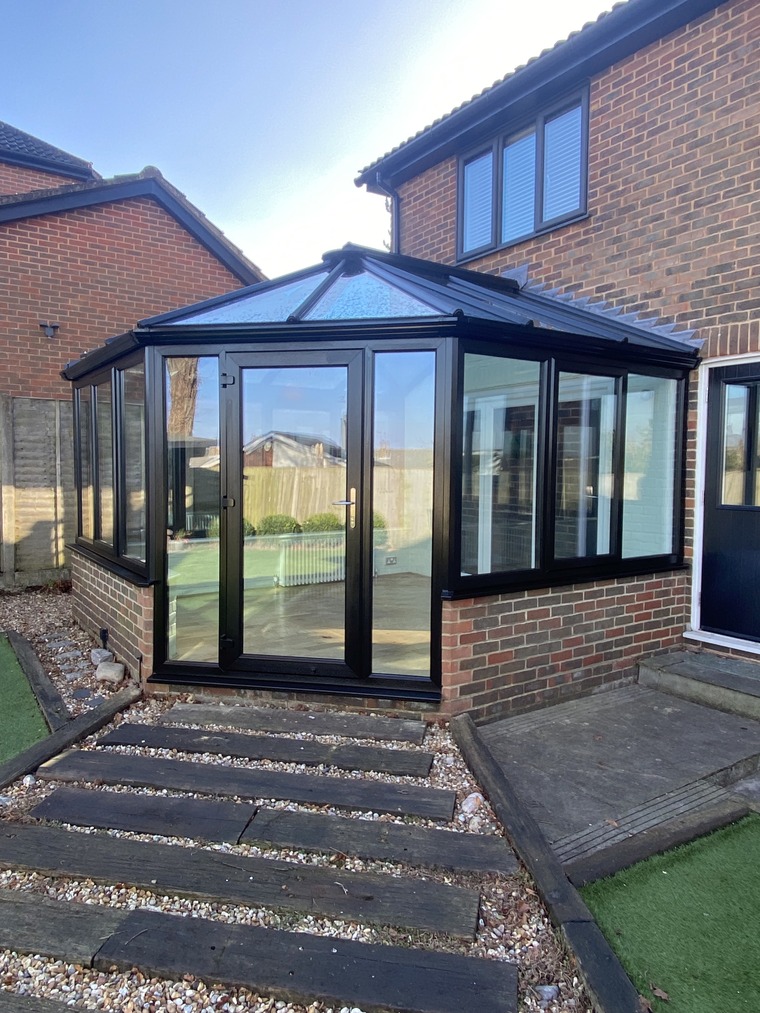
A conservatory can be one of the most enjoyable spaces in a home. It provides extra room to relax, dine or spend time with family while enjoying views of the garden and plenty of natural light.
However, many homeowners find that their conservatory is comfortable for only part of the year. During summer, direct sunlight can make the room uncomfortably hot. In winter, the temperature may drop quickly, making the space difficult to use without additional heating.
The good news is that there are ways to improve the comfort and usability of an existing conservatory. The right approach will depend on its age, construction, glazing, roof and how you use the space.
Here are some practical options to consider.
Why do conservatories get too hot in summer?
Conservatories contain a significant amount of glazing, allowing sunlight to enter the room. Depending on the orientation of the building, the amount of direct sunlight and the specification of the glass, this can lead to considerable heat build-up.
South-facing and west-facing conservatories can be particularly exposed to strong sunlight during the warmer parts of the day.
A lack of ventilation can make the problem worse. When warm air becomes trapped inside, the room can feel stuffy and uncomfortable.
Improve ventilation
Good ventilation helps warm air escape and allows fresh air to circulate.
Depending on the design of your conservatory, opening windows, roof vents and suitable external doors can help improve airflow. Creating a route for cooler air to enter while warmer air escapes can make a noticeable difference.
If your conservatory has limited opening sections, it may be worth discussing whether additional ventilation could be incorporated as part of a wider improvement project.
Consider solar control glazing
The type of glazing used in your conservatory can influence how much solar heat enters the room.
Solar control glass is designed to reduce the amount of solar energy passing through the glazing while still allowing natural light into the space. Depending on the product selected, this can help make the conservatory more comfortable during warmer weather.
The best specification will depend on the direction your conservatory faces, its existing construction and your priorities for light, privacy and temperature control.
Why is your conservatory so cold in winter?
Older conservatories can lose heat relatively quickly, particularly where the roof and glazing provide limited insulation.
If the room feels noticeably colder than the rest of your home, several factors could be contributing to the problem.
These may include inefficient glazing, draughts around opening windows and doors, poorly sealed joints or a roof that offers limited thermal performance.
Identifying the main source of heat loss is the first step towards finding an effective solution.
Check the windows, doors and seals
Worn seals and poorly fitting windows or doors can allow cold air to enter and warm air to escape.
Check for draughts around the frames, damaged weather seals and doors that do not close securely. Some problems may be resolved through adjustments or replacement components rather than a complete installation.
If the glazing is old or damaged, upgrading to more efficient units may also help improve comfort.
Review your conservatory roof
The roof has a significant influence on the overall performance of a conservatory.
Older polycarbonate roofs, in particular, may provide limited insulation and can contribute to temperature fluctuations. Modern roofing options can offer improved thermal performance, although the results depend on the complete roof system and how it is installed.
If you are considering changing an existing conservatory roof, it is important to assess the structure, ventilation, glazing and any applicable Building Regulations requirements before deciding on the best approach.
A roof replacement is not always the right solution for every conservatory, so professional advice is worthwhile.
Could upgrading your conservatory glazing help?
Glazing affects heat loss, solar gain, natural light and the overall feel of the space.
Modern double glazing can help reduce heat transfer compared with older single glazing. Specialist glass options may also be available to help manage solar gain or improve thermal performance.
However, replacing the glass alone will not necessarily resolve every problem. If the frames are deteriorating, the roof is poorly insulated or there are significant draughts elsewhere, those issues will also need to be considered.
A combined assessment of the conservatory is often the best way to identify which improvements are likely to deliver the greatest benefit.
Make the space more comfortable with blinds and shading
Not every improvement requires major building work.
Blinds and other shading solutions can help control direct sunlight, reduce glare and provide additional privacy. External shading may also reduce the amount of solar heat entering the conservatory, depending on the system used.
Thermal curtains or suitable blinds can help create a more comfortable environment during colder weather, although they should be considered alongside the performance of the glazing and roof.
These measures can be useful if you want to improve the room without committing to a larger renovation.
Is your conservatory suitable for year-round use?
If you would like to use your conservatory as a dining room, home office or everyday living space, it is worth thinking about how the room performs throughout the year.
Consider the following questions:
- Does the room become too hot during sunny weather?
- Is it significantly colder than the adjoining rooms in winter?
- Can you open windows and doors easily to ventilate the space?
- Are there noticeable draughts or signs of water ingress?
- Does the roof or glazing show signs of age or deterioration?
- Would better temperature control make the room more useful for your household?
Your answers can help establish whether relatively simple improvements are likely to be sufficient or whether a more substantial upgrade is worth exploring.
It is also important to consider heating and ventilation together. Adding more heating may make a cold conservatory feel warmer, but it will not address the underlying causes of heat loss. Likewise, improving insulation without providing suitable ventilation can contribute to condensation problems.
Should you upgrade your existing conservatory or replace it?
If your conservatory is structurally sound, upgrading selected components may be a practical way to improve its performance.
For example, you might benefit from new glazing, improved seals, additional ventilation or a suitable roof replacement.
However, if the structure is ageing, the layout no longer meets your needs or several elements require attention, a new conservatory may be worth considering.
The right decision depends on the condition of the existing building, your budget and how you want to use the space in the future.
Before undertaking substantial alterations, check whether planning permission or Building Regulations approval may be required. Requirements depend on the design and extent of the proposed work.
Get more from your conservatory with Shield Exteriors
At Shield Exteriors, we supply and install conservatories for homeowners throughout Kent and East Sussex. With more than 25 years of experience, we can help you explore the options available for improving your home.
Whether you are considering a new conservatory or reviewing options for an existing space, our team can discuss your requirements and help you identify a solution that suits your property and budget.
Ready to make better use of your conservatory?
Contact Shield Exteriors to discuss your project and arrange a quotation.
View some of our conservatory options here.